
Choosing the Right Seeds for Indoor Planting
Starting plants indoors is one of the most rewarding experiences for gardeners and plant lovers. Whether you have a small apartment, limited outdoor space, or simply want to get a head start on the growing season, choosing the right seeds is the foundation of success. The process of selecting the best indoor seed varieties ensures strong germination, healthy growth, and a productive indoor garden.
Indoor seed starting allows you to control temperature, moisture, and light, creating ideal conditions for plant development. However, not all seeds perform well indoors. Some plants thrive in indoor environments, while others require more space, sunlight, or outdoor conditions. In this guide, we will explore how to select the best seeds for indoor planting and ensure your gardening project gets off to a great start.
Why Choosing the Right Indoor Seed Matters
Selecting the proper indoor seed varieties makes a huge difference in your gardening success. Indoor environments are very different from outdoor gardens. Plants grown inside must adapt to limited space, artificial lighting, and controlled humidity.
When you choose seeds suited for indoor planting, you benefit from:
- Higher germination rates
- Stronger seedlings
- Better use of limited space
- Healthier plants overall
Seeds that are naturally compact, fast-growing, or tolerant of indoor conditions are ideal for indoor seed starting. These characteristics make them easier to manage and more productive in small containers or trays.
Characteristics of Seeds Ideal for Indoor Planting
Before buying seeds, it’s important to understand which traits make a good indoor seed candidate. Certain characteristics help plants thrive in indoor environments.
1. Fast Germination
Seeds that germinate quickly are perfect for indoor planting. Faster germination reduces the risk of mold, rot, and failed seedlings. Popular fast-germinating seeds include:
- Lettuce
- Basil
- Radishes
- Spinach
These plants often sprout within a few days, giving beginner gardeners quick and satisfying results.
2. Compact Growth Habit
Indoor gardening usually involves limited space. Seeds that grow into compact plants are much easier to maintain indoors.
Look for varieties labeled as:
- Dwarf
- Compact
- Container-friendly
For example, dwarf tomatoes and mini peppers are excellent indoor seed choices.
3. Shade or Low-Light Tolerance
Indoor plants typically receive less sunlight than outdoor plants. Choosing seeds that tolerate partial shade or low light will improve your chances of success.
Herbs such as parsley, mint, and chives grow well indoors because they adapt easily to indoor light levels.
Best Types of Indoor Seeds for Beginners
If you are new to indoor gardening, it’s wise to start with seeds that are easy to grow and forgiving. These varieties tend to germinate reliably and grow well indoors.
Herbs
Herbs are among the best options for indoor seed starting. They require relatively little space and are extremely useful in the kitchen.
Top herb seeds include:
- Basil
- Parsley
- Cilantro
- Thyme
- Chives
Growing herbs from indoor seed allows you to enjoy fresh flavors all year round.
Leafy Greens
Leafy greens grow quickly and adapt well to indoor conditions. They are also perfect for small containers.
Popular indoor greens include:
- Lettuce
- Spinach
- Arugula
- Kale
Many gardeners harvest these greens within a few weeks of planting.
Small Vegetables
Some vegetables are also suitable for indoor planting, especially dwarf or compact varieties.
Examples include:
- Cherry tomatoes
- Mini peppers
- Baby carrots
- Green onions
Choosing the right indoor seed varieties ensures these vegetables remain manageable in small indoor spaces.
How to Read Seed Packets Correctly
Seed packets provide valuable information that helps you determine whether a seed is suitable for indoor planting.
When selecting seeds, look for the following details:
Germination Time
This tells you how long it takes for the seed to sprout. Short germination periods are ideal for beginners.
Days to Harvest
Some plants take months to mature, while others grow quickly. Fast-growing crops are better suited for indoor gardening.
Light Requirements
Always check whether the plant prefers full sun, partial shade, or low light. Indoor gardens usually require supplemental grow lights for sun-loving plants.
Plant Size
Seed packets often indicate the mature height and width of the plant. Choose varieties that stay compact and manageable indoors.
Understanding these details helps you choose the most appropriate indoor seed options for your setup.
Common Mistakes When Choosing Indoor Seeds
Many beginners make simple mistakes when selecting seeds for indoor gardening. Avoiding these errors will increase your success rate.
Choosing Large Outdoor Plants
Some plants, such as pumpkins or corn, require large outdoor spaces and do not perform well indoors. Always select seeds specifically suited for container growing.
Ignoring Climate Requirements
Even indoors, plants still respond to seasonal light levels. Some seeds require longer daylight hours to thrive.
Buying Too Many Seeds
It’s tempting to buy a wide variety of seeds, but starting with a few reliable indoor seed types is better for beginners.
Tips for Storing Indoor Seeds Properly
Once you purchase seeds, proper storage is essential to maintain their viability.
Follow these tips to protect your indoor seed collection:
- Store seeds in a cool, dry place
- Keep them in airtight containers
- Avoid direct sunlight and humidity
- Label seed packets with the purchase date
Properly stored seeds can remain viable for several years, depending on the plant type.
Creating the Perfect Indoor Seed Starting Setup
Choosing the right seeds is only part of the process. A successful indoor seed garden also requires the right environment.
Important elements include:
Quality Seed Starting Mix
Use a lightweight soil mix designed specifically for seed starting. Regular garden soil may be too dense for young seedlings.
Adequate Lighting
Most seedlings require 12–16 hours of light per day. LED grow lights are often the best solution for indoor gardens.
Consistent Moisture
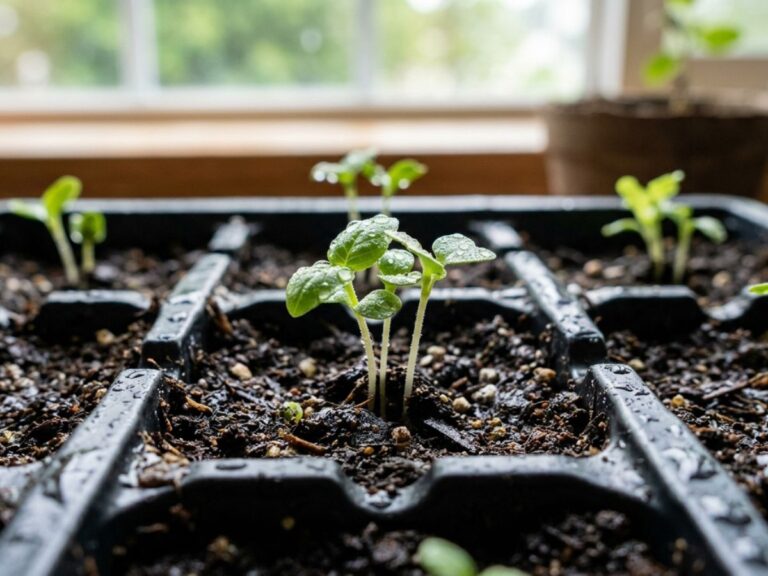
Seeds need consistent moisture to germinate, but overwatering can cause mold or damping-off disease.
Using trays with drainage holes helps maintain the right balance.
Final Thoughts
Choosing the right indoor seed varieties is the first and most important step toward a thriving indoor garden. By selecting seeds that germinate quickly, stay compact, and tolerate indoor conditions, you dramatically increase your chances of success.
Whether you’re growing herbs on your kitchen windowsill, leafy greens in containers, or miniature vegetables under grow lights, the right seeds will make your indoor gardening experience both productive and enjoyable.
Start small, experiment with different varieties, and soon you’ll discover the joy of nurturing plants from tiny indoor seed beginnings into vibrant, healthy greenery right inside your home.