When to Plant a Vegetable Garden: The Complete Beginner’s Guide
Starting a vegetable garden is one of the most rewarding activities for any home gardener. Growing your own vegetables allows you to enjoy fresh, healthy food while saving money and connecting with nature. However, one of the most important factors for a successful harvest is knowing when to plant a vegetable garden. Planting too early or too late can affect seed germination, plant growth, and overall yield.
In this guide, you will learn the best time to plant a vegetable garden, how climate affects planting schedules, and practical tips to ensure a productive growing season.
Why Timing Matters in a Vegetable Garden
Planting at the right time is crucial for the success of your vegetable garden. Each vegetable has specific temperature and daylight requirements that influence how well it grows.
If you plant seeds when the soil is too cold, they may fail to germinate or grow very slowly. On the other hand, planting during extreme heat can stress young plants and reduce productivity.
Correct timing helps ensure:
- Healthy germination
- Strong root development
- Better resistance to pests and diseases
- Higher vegetable yields
Understanding the growing seasons in your area is the first step to planning a thriving vegetable garden.
Understanding Your Local Climate
Climate plays a major role in determining when you should plant a vegetable garden. Gardeners often rely on two important dates:
- Last frost date in spring
- First frost date in autumn
The period between these two dates is called the growing season. This is when most vegetables can grow safely outdoors.
In warm regions, gardeners can plant earlier and may even grow vegetables year-round. In colder climates, planting usually begins later in spring once the risk of frost has passed.
To determine the best planting time for your vegetable garden, check local gardening calendars or agricultural websites for frost date estimates in your region.
Cool-Season Vegetables: Plant Early
Some vegetables thrive in cooler temperatures and can tolerate light frost. These are known as cool-season vegetables, and they are usually planted in early spring or even late winter.
Examples include:
- Lettuce
- Spinach
- Peas
- Radishes
- Carrots
- Broccoli
- Cabbage
These crops grow best when temperatures range between 10°C and 20°C (50°F–68°F).
Many gardeners start these crops 2 to 4 weeks before the last frost date. Since they prefer cooler weather, they often produce the best harvests in spring and fall.
Planting cool-season crops early helps extend the productivity of your vegetable garden before the summer heat arrives.
Warm-Season Vegetables: Wait for Warmer Weather
Warm-season vegetables require higher temperatures and cannot tolerate frost. These plants should only be planted after the danger of frost has completely passed.
Common warm-season vegetables include:
- Tomatoes
- Peppers
- Cucumbers
- Zucchini
- Beans
- Corn
- Eggplant
These vegetables grow best when temperatures stay above 18°C (65°F).
For a successful vegetable garden, wait until the soil has warmed up before planting warm-season crops. Cold soil can slow growth and weaken young plants.
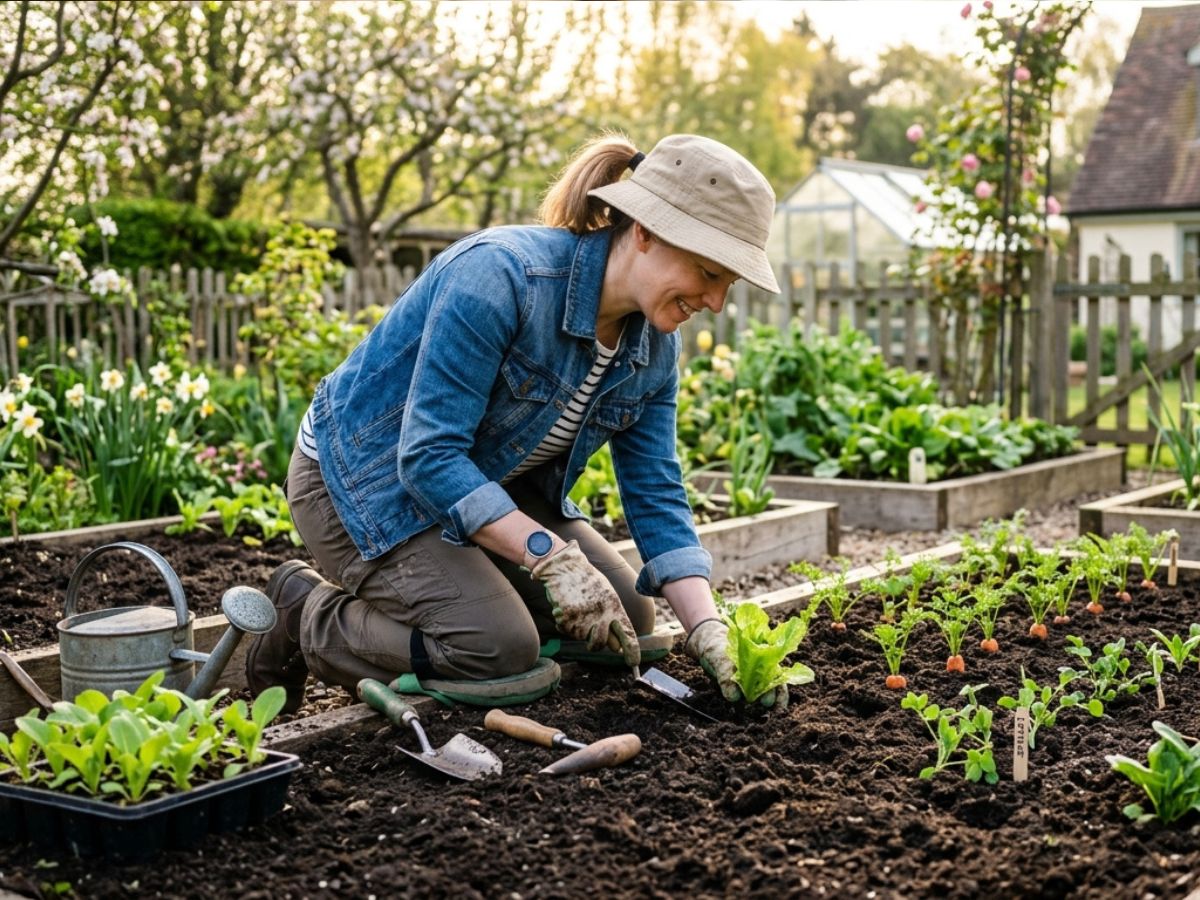
Many gardeners start these plants indoors several weeks before spring and transplant them outside when conditions improve.
Starting Seeds Indoors
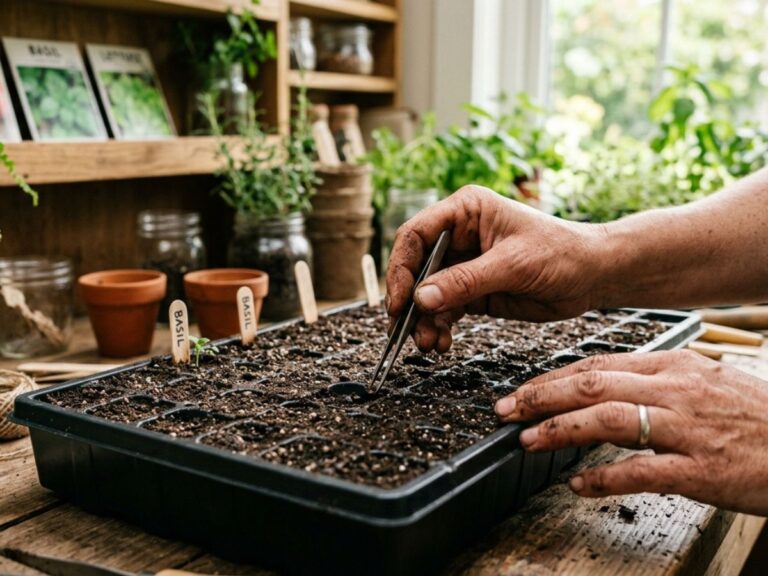
Starting seeds indoors is a popular technique for gardeners who want an early start on their vegetable garden. This method allows plants to develop strong roots before being moved outside.
Advantages of indoor seed starting include:
- Earlier harvests
- Better control over growing conditions
- Protection from unpredictable spring weather
Common vegetables started indoors include tomatoes, peppers, broccoli, and cabbage.
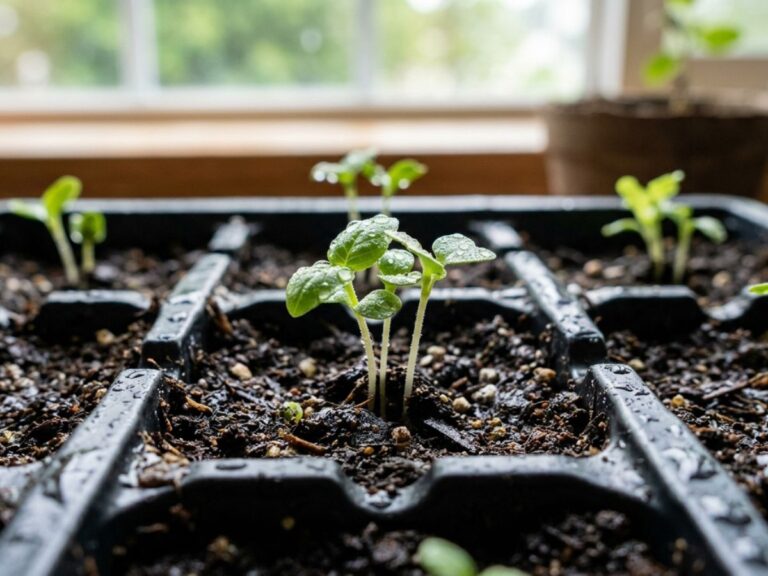
Seeds are usually started 6 to 8 weeks before the last frost date. Once seedlings develop several leaves and outdoor temperatures are stable, they can be transplanted into the garden.
This approach significantly improves the success of your vegetable garden, especially in regions with shorter growing seasons.
Using Soil Temperature as a Planting Guide
While air temperature is important, soil temperature often determines how well seeds germinate.
Here are general soil temperature guidelines for planting a vegetable garden:
- 5–10°C (41–50°F): peas, spinach
- 10–15°C (50–59°F): carrots, lettuce, beets
- 15–20°C (59–68°F): beans, cucumbers
- 20–25°C (68–77°F): tomatoes, peppers
A simple soil thermometer can help gardeners decide the perfect time to plant their vegetable garden.
Creating a Planting Calendar
One of the best ways to organize a vegetable garden is by creating a planting calendar. This helps track when seeds should be started, transplanted, or harvested.
A simple planting calendar includes:
- Seed starting dates
- Outdoor planting dates
- Expected harvest times
For example:
Early Spring
- Plant lettuce, peas, radishes
Late Spring
- Plant tomatoes, cucumbers, beans
Summer
- Plant fall crops like spinach and carrots
By planning ahead, you can maintain continuous harvests throughout the season in your vegetable garden.
Succession Planting for Continuous Harvest
Succession planting is a strategy used by experienced gardeners to keep their vegetable garden productive for a longer period.
Instead of planting all seeds at once, gardeners plant small batches every 2–3 weeks. This ensures that vegetables mature at different times rather than all at once.
This technique works particularly well with:
- Lettuce
- Radishes
- Beans
- Carrots
Succession planting prevents waste and ensures fresh vegetables are always available from your vegetable garden.
Common Planting Mistakes to Avoid
Even experienced gardeners sometimes make mistakes when planting a vegetable garden. Avoiding these common errors can greatly improve your results.
Planting Too Early
Cold soil can delay germination and damage seedlings.
Ignoring Frost Warnings
Unexpected frost can destroy young plants overnight.
Overcrowding Plants
Plants need enough space to grow properly and access sunlight.
Poor Soil Preparation
Healthy soil rich in nutrients is essential for a productive vegetable garden.
Taking the time to prepare your garden carefully will increase the chances of a successful harvest.
Tips for a Successful Vegetable Garden
If you want to grow a thriving vegetable garden, consider these practical tips:
- Choose vegetables suited to your climate
- Improve soil with compost or organic matter
- Water plants consistently but avoid overwatering
- Use mulch to retain soil moisture
- Monitor plants regularly for pests and diseases
These simple gardening practices can dramatically improve the health and productivity of your vegetable garden.
Final Thoughts
Knowing when to plant a vegetable garden is one of the most important skills for gardeners. By understanding your climate, paying attention to frost dates, and choosing the right vegetables for each season, you can create a productive and enjoyable garden.
Whether you are planting cool-season greens in early spring or warm-season crops in late spring, timing plays a key role in the success of your vegetable garden.
With careful planning, proper soil preparation, and consistent care, your garden can provide fresh vegetables for months. Gardening is not only a practical skill but also a relaxing and fulfilling hobby that connects you with nature and healthy food.
Start planning your vegetable garden today, and enjoy the satisfaction of harvesting vegetables you grew yourself. 🌱